
Palm Beach scraps plan to transport sand across Lake Worth Beach’s public beach
Worried a potential court fight would kill a much-needed dune restoration project, the town reached an access agreement with a Palm Beach condo south of the Lake Worth Pier.

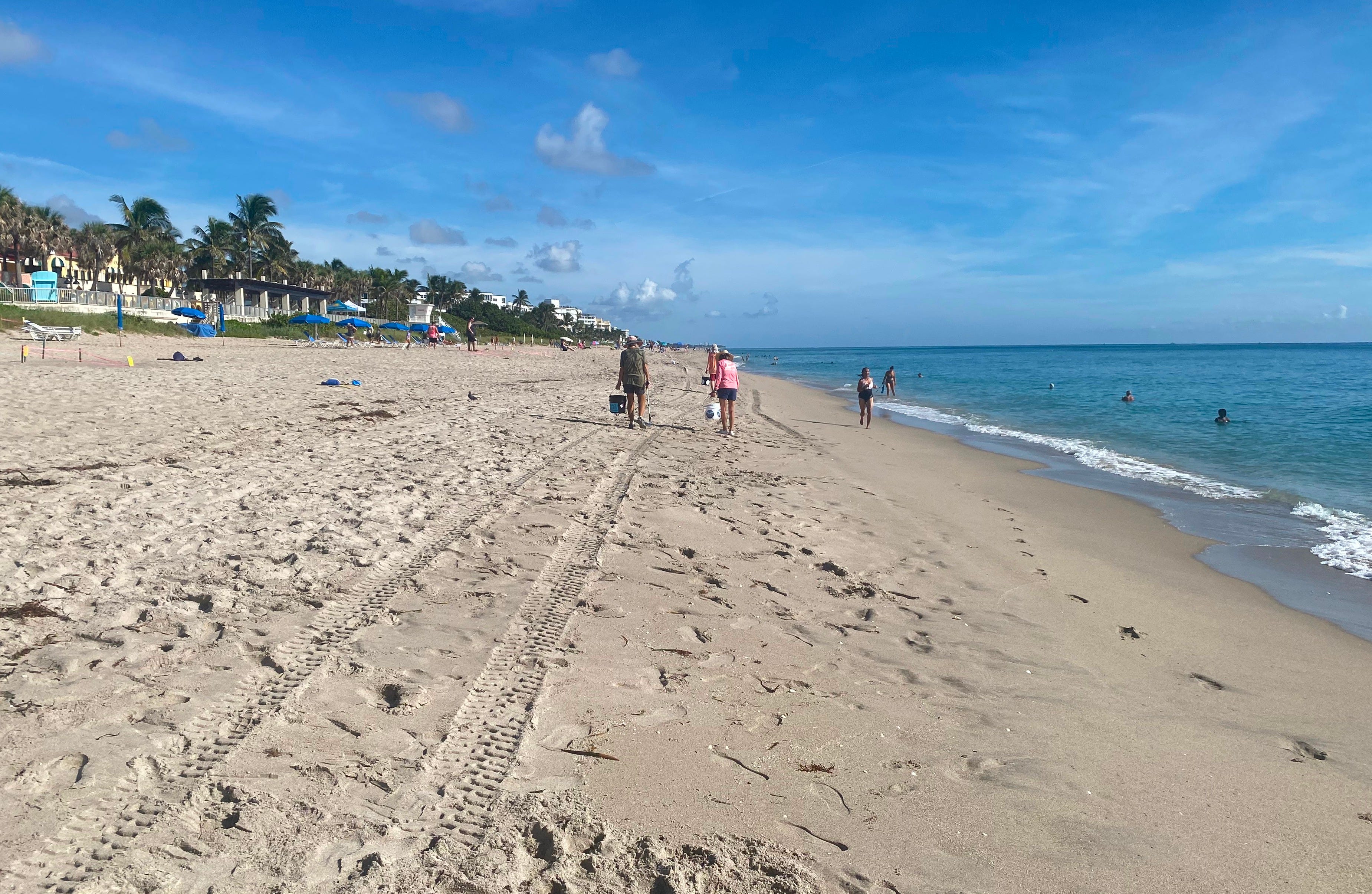
The town of Palm Beach has dropped plans to use Lake Worth Beach’s public beach during the heart of tourist season to transport sand for dune restoration south of the Lake Worth Pier .
Worried a potential legal fight with Lake Worth Beach would kill the much-needed project, the town found a new route by reaching a beach-accesss agreement with the Atriums of Palm Beach, a condominium 1.5 miles south of the pier.
“The way I look at it, we are all in it together. It's a win-win for everybody. I give credit to my board, as well,’’ Atriums board president Fred Kamel said in an interview.
The work, expected to start in November and last six weeks, will replenish dunes on Palm Beach and South Palm Beach with sand currently stockpiled at Phipps Ocean Park, roughly three miles north of the Atriums.
Trucks will transport the sand on State Road A1A to the south end of the Atriums property, where it will be dumped onto a 6-foot wide conveyor belt that will carry the sand east to the beach. From there, heavy equipment will move the sand south to the restoration areas on Palm Beach and South Palm Beach.
The town’s original plan, which had been scheduled to start in January 2025, called for the Phipps sand to be trucked to Lake Worth Beach’s public beach — about 1.5 miles north of the Atriums. The trucks would cross a makeshift ramp over the dunes on the far south end of the city beach and dump the sand; heavy equipment on the beach would move the sand south to the target areas.
The town requested the Lake Worth Beach access spot because a Palm Beach condo that had previously offered access no longer wanted to deal with vibration, noise and congestion from dump trucks. In return, the town planned to donate $80,000 to Lake Worth Beach, money the city planned to spend on beach improvements, including repairs to wooden stairs to the beach north and south of the pier.
Lake Worth Beach commissioners voted 4-1 to approve that plan on Dec. 3, but backed out a week later after a former city commissioner pointed out that the plan violated a 2009 referendum prohibiting the city's beach from being used as a staging area for dredge and fill projects.
Palm Beach officials weren’t convinced the referendum affected the plan. They told the city they were pressing ahead anyway and planning to use a 10-foot wide strip along the city’s 1,400-foot public beach to truck the sand from Phipps Ocean Park to the renourishment areas. Town officials cited a 1935 state law designating the strip as town property, a law meant to contiguously link town lands to the north and south of Lake Worth Beach.
But the town’s stance prompted harsh words from Lake Worth Beach leaders, who were flooded with angry letters from residents, some threatening to form human walls to block the trucks.
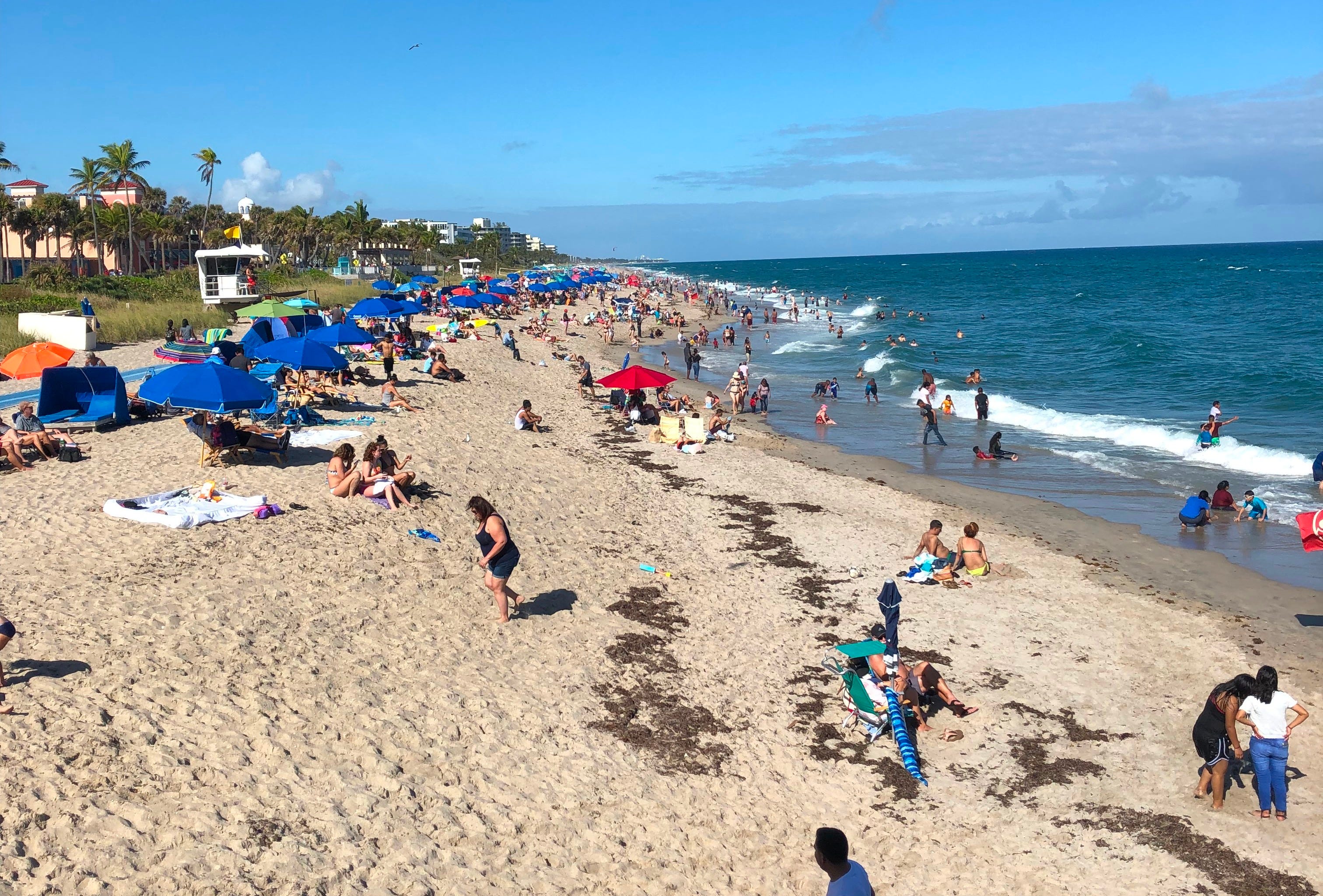
“That would have been a truck every minute and a half,’’ said longtime surfer Tom Warnke. “The town was talking about having an escort for each truck. It would have been a congo line of trucks running right across the public beach, and that would be in tourist season, too.’’
On Jan. 19, the town agreed to postpone the plan until November while they negotiated with Lake Worth Beach and searched for alternatives.
In May, Public Works Director Paul Brazil warned the town council that “a last-minute legal challenge” from the city or one of its residents could delay the work indefinitely.
Town officials ramped up talks with at least seven Palm Beach condos about alternate access points. The town also agreed to use conveyor belts instead of trucks.
Although some town officials in May still supported the Lake Worth Beach route as an option, Town Councilman Lew Crampton lobbied against it.
“We all know Lake Worth city relies on that beach for a huge amount of its revenues,’’ Crampton said in May. “What we're facing, if we do that, is an ugly confrontation with us and the city of Lake Worth Beach because we are cutting out the beach they use because we are rocketing sand down a conveyor belt. I don't think that is a very productive or constructive way.’’
The Atriums stepped up and agreed to provide an access point for town trucks, as first reported last month by the Palm Beach Daily News.
The agreement calls for the town to restore the Atriums property to its original condition once the project is done. The Atriums will not receive any special compensation from the town.
“From my perspective, we are all one community,’’ Kamel said. “What's interesting with Palm Beach is we have another city nestled between us, Lake Worth. So I approached it from the sense of what's best for all of us.’’
Meanwhile, the town is discussing the possibility of at least six other condominiums taking turns offering access points for future restoration projects. And Lake Worth Beach officials plan to continue surveying the city beach to determine the precise location of the town boundaries.
“It’s good news for the city,’’ Commissioner Anthony Segrich said of the town’s agreement with Artiums.
“It protects our beach from damage,’’ he said. “It respects our referendum and the will of our residents not to have beach renourishment projects come through Lake Worth Beach.’’
 | A guest post by
|