
Charles Whitman's journey from Lake Worth altar boy to Texas tower shooter
This weekend, the Lake Worth Playhouse will screen the remastered 'Tower' documentary to observe the upcoming 60th anniversary of the 1966 massacre

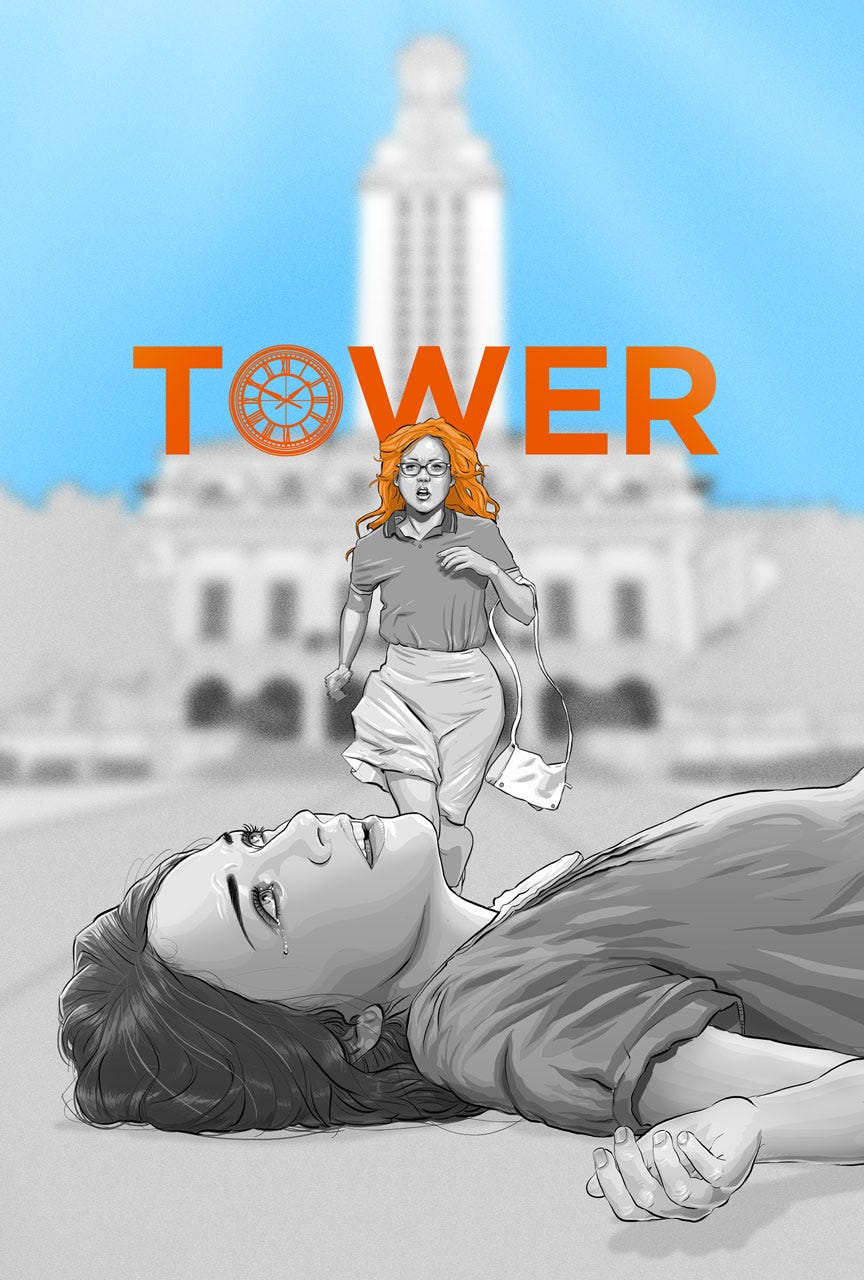
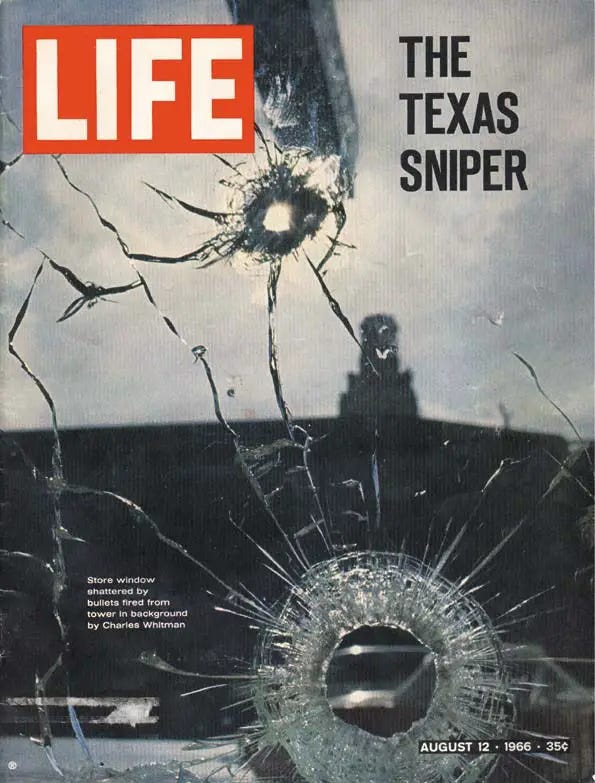
ON AUG. 1, 1966, Charles Whitman, a former Lake Worth altar boy who grew up on South L Street, climbed to the top of the 307-foot tower at the University of Texas and opened fire.
Dressed in workman’s overalls, a footlocker of rifles and ammunition at his perch, the former Marine sniper picked off 46 people, killing 14 (including an unborn child) and wounding 32 before being gunned down by two Austin police officers.
This weekend, the Lake Worth Playhouse will observe the upcoming 60th anniversary of Whitman’s 96-minute sniper rampage with a screening of the remastered 2016 animated documentary “Tower.”
Based on a 2006 Texas Monthly article, the film combines archival footage with rotoscopic animation to tell the stories of the witnesses and survivors of what is widely recognized as the first major mass shooting in modern American history.
“It was the day our innocence was shattered,’’ said Charlie Birnbaum, manager at the playhouse’s Stonzek Studio Theatre, where “Tower” will be screened at 6 p.m. today, 3 p.m. and 5 p.m. Saturday and 2 p.m. and 4 p.m. Sunday. Click here to buy tickets.
“This was the beginning of the horror of public mass shootings. Sadly it’s become a common reccurence,’’ Birnbaum said.
The critically acclaimed “Tower” does not explore the life and times of Whitman, whose killing spree started when he murdered his mother and wife in the early morning hours of Aug. 1, 1966, before he climbed the tower.
Director Keith Maitland intentionally excluded the shooter from the film’s primary narrative and never shows his face, focusing entirely on the vivid memories of the victims, witnesses and the police officers who bravely ended the violence.
Here’s a brief overview of Charles Whitman and his Lake Worth upbringing, according to a review of news archives.
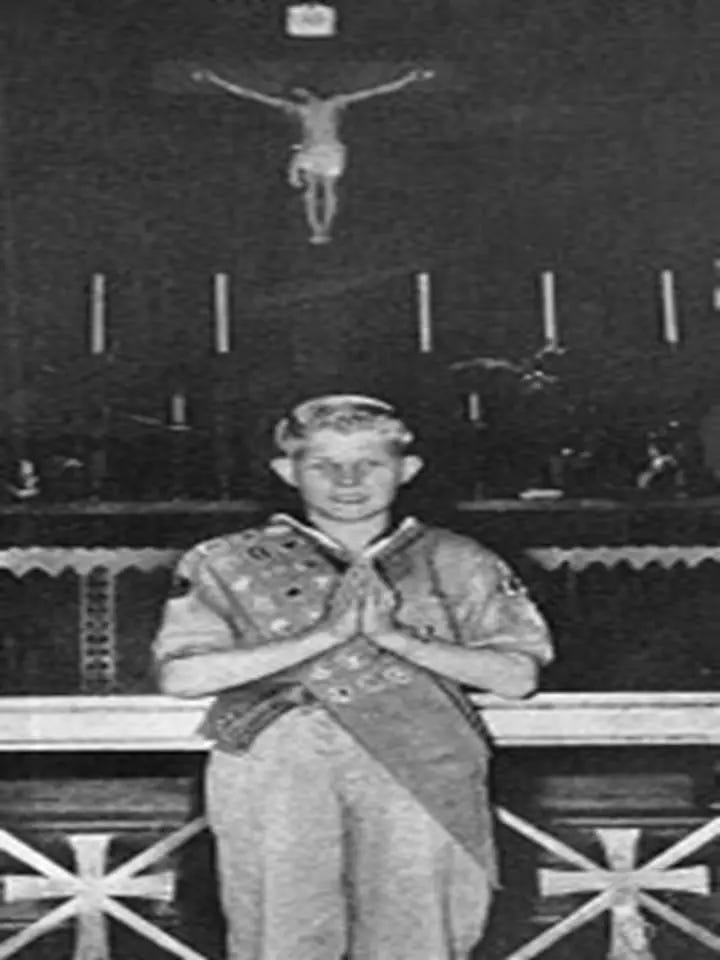
Charles Joseph Whitman was born June 24, 1941. He grew up with two younger brothers at 820 South L Street in a modest home built in 1946 by their father, a plumbing contractor with an office at 818 S. Dixie Highway.
The father, Charles A. Whitman Jr., came to Florida from Savannah, Ga., to be near relatives in the Glades. He was active in the Lake Worth community. He filed to run for City Commission in 1956, was appointed to the Port of Palm Beach Pilot Commission in 1965 and was president of the Lake Worth High School Parent Teachers Association in April 1966.
As a boy, Charles Whitman etched his name in the concrete in the back yard and played with neighborhood kids in a fort in the woods behind the L Street house.
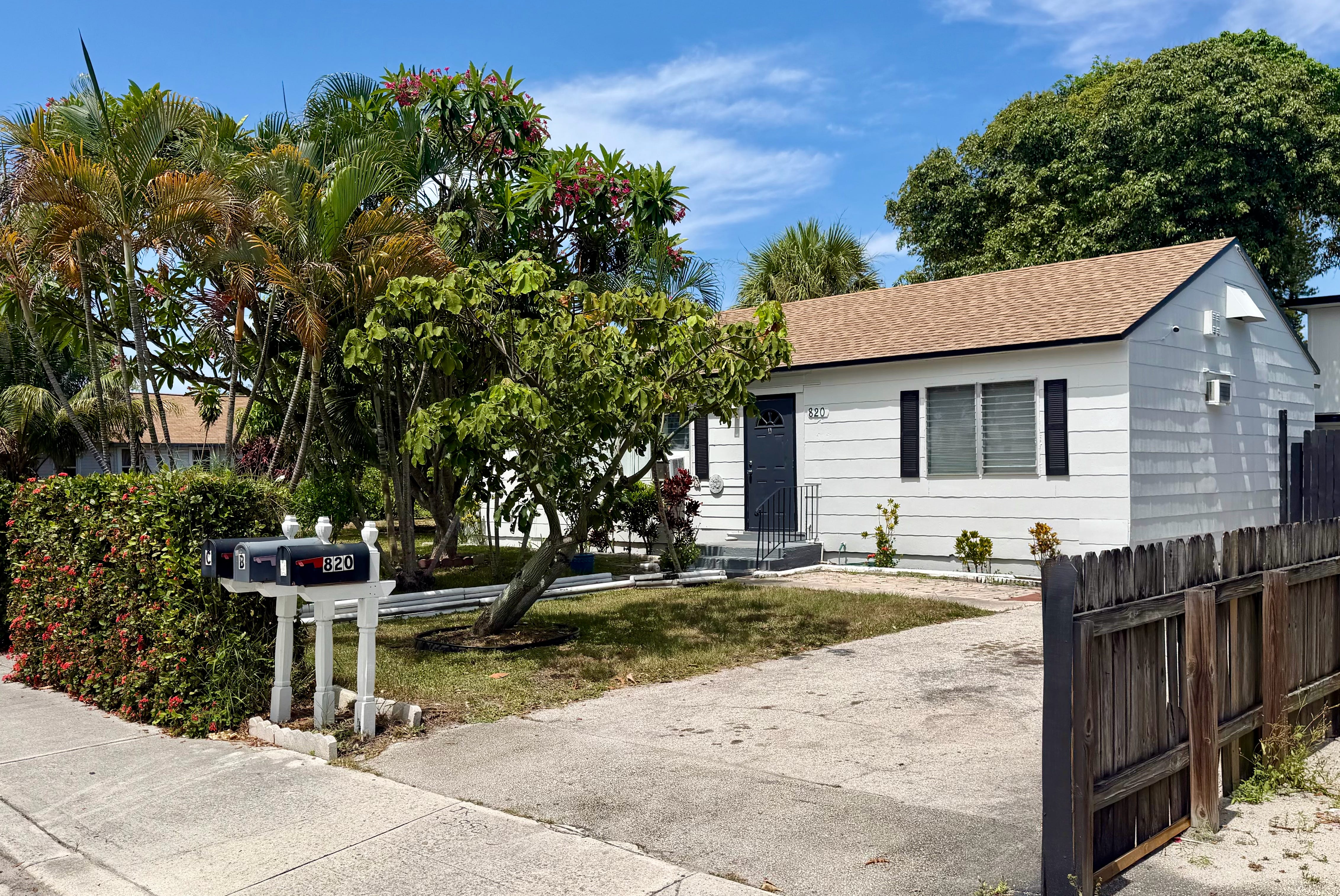
He was an altar boy at Sacred Heart Catholic Church and made Eagle Scout at the age of 12. He enjoyed a successful Palm Beach Post newspaper route, chauffeured in his younger years by his mother in the family car on rainy mornings; when he was older, he tossed papers from a Harley Davidson motorcycle bought with his savings.
He was equipment manager, but not a player, for the football team at St. Ann’s Catholic School in West Palm Beach (before it became Cardinal Newman High School).
He was hospitalized in 1958 when his motorcycle was hit by a car in front of the Lake Worth post office. A year later he enlisted in the Marine Corps — he told a friend that he joined after his father, angry at his son for coming home drunk, beat him and threw him into the family swimming pool.
In 1961, he enrolled at the University of Texas, where he initially excelled before experiencing personal and psychological problems.
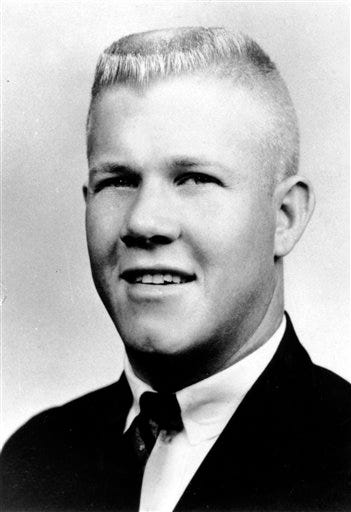
In January 1966, his parents separated. Lake Worth police officers were called to the house to stand watch as his mother, Margaret Whitman, removed her personal items from the house.
Charles Whitman and his wife Kathleen, whom he married in 1966, visited Lake Worth for Easter. He took his mother with them when they returned to Texas, where she got a job as a cashier at a cafeteria.
The separation of Whitman’s parents was not a surprise to neighbors, who remembered the father’s brutal control over the family.
“I can’t tell you how many times my mom and dad called the police because Charlie was beating his wife, his kids, his dog,’’ Judi Fabris, who grew up next door, told The Post in 2006.
“I still remember the yelping when Charlie beat their little Boston terrier.”
One day Charles Whitman wrote in his dairy: “The intense hatred I feel for my father is beyond description.’’
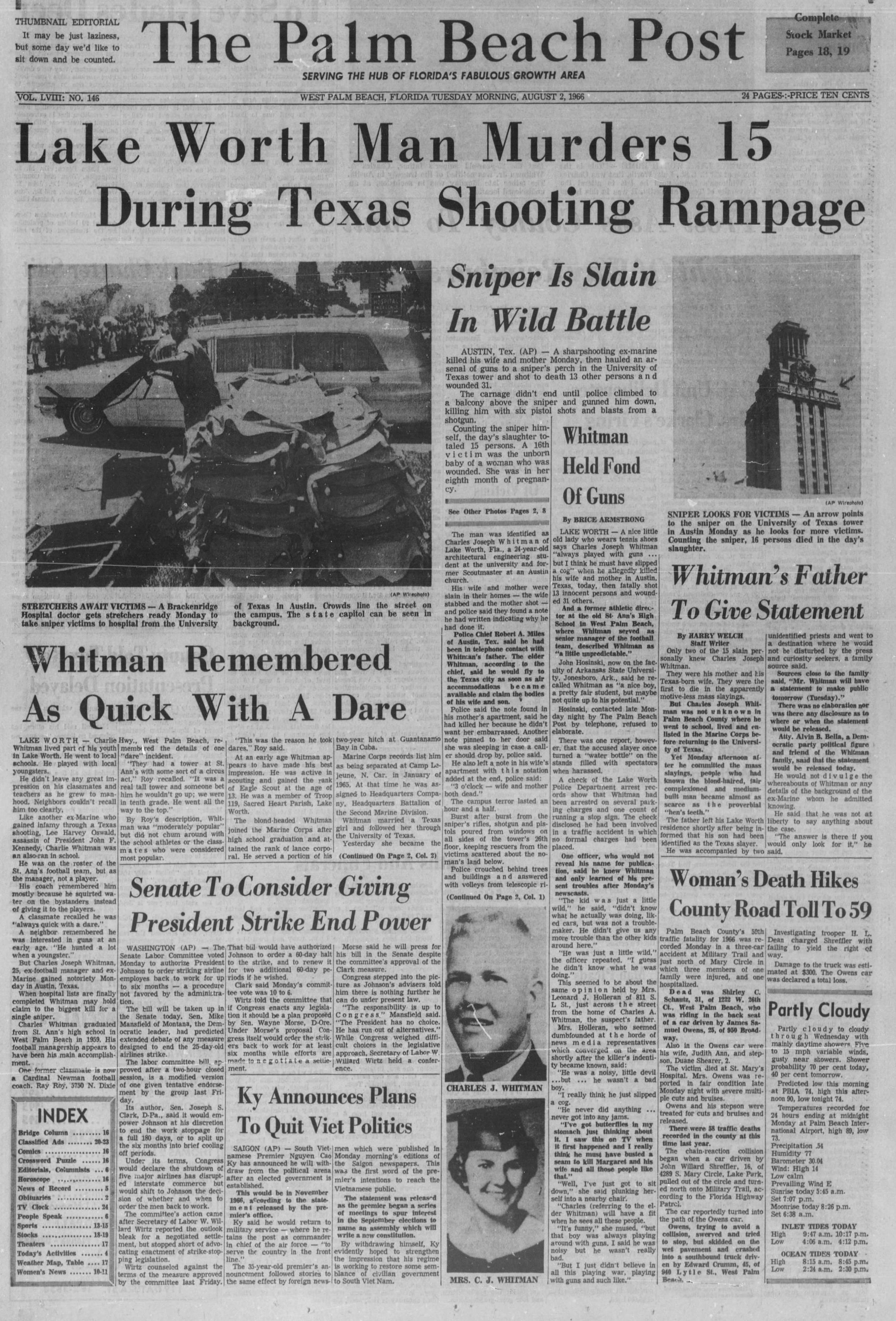
Shortly after midnight on Aug. 1, 1966 — a little less than 12 hours before he settled into his sniper’s nest atop the UT Tower — Whitman shot his mother at her downtown Austin apartment. About three hours later, he stabbed his wife to death as she slept in their bedroom.
He arrived at the UT campus around 11:30 a.m. wearing overalls to disguise himself as a janitor. Using a two-wheeled dolly, he pulled a footlocker packed with guns and 700 rounds of ammunition onto an elevator and rode to the 27th floor.
He climbed one more floor to the tower’s observation deck, where the outer walls of each side featured three openings meant to function as rain spouts. He opened fire at 11:48 a.m., using the rain spouts as turrets, which shielded him from return gunfire below.
His killing spree ended at 1:24 p.m. when, after firing 150 rounds, he was ambushed on the deck’s northwest corner by two police officers.
The next day Charles’ father, accompanied by a family priest, stood in front of the home on South L Street and read from a prepared statement.
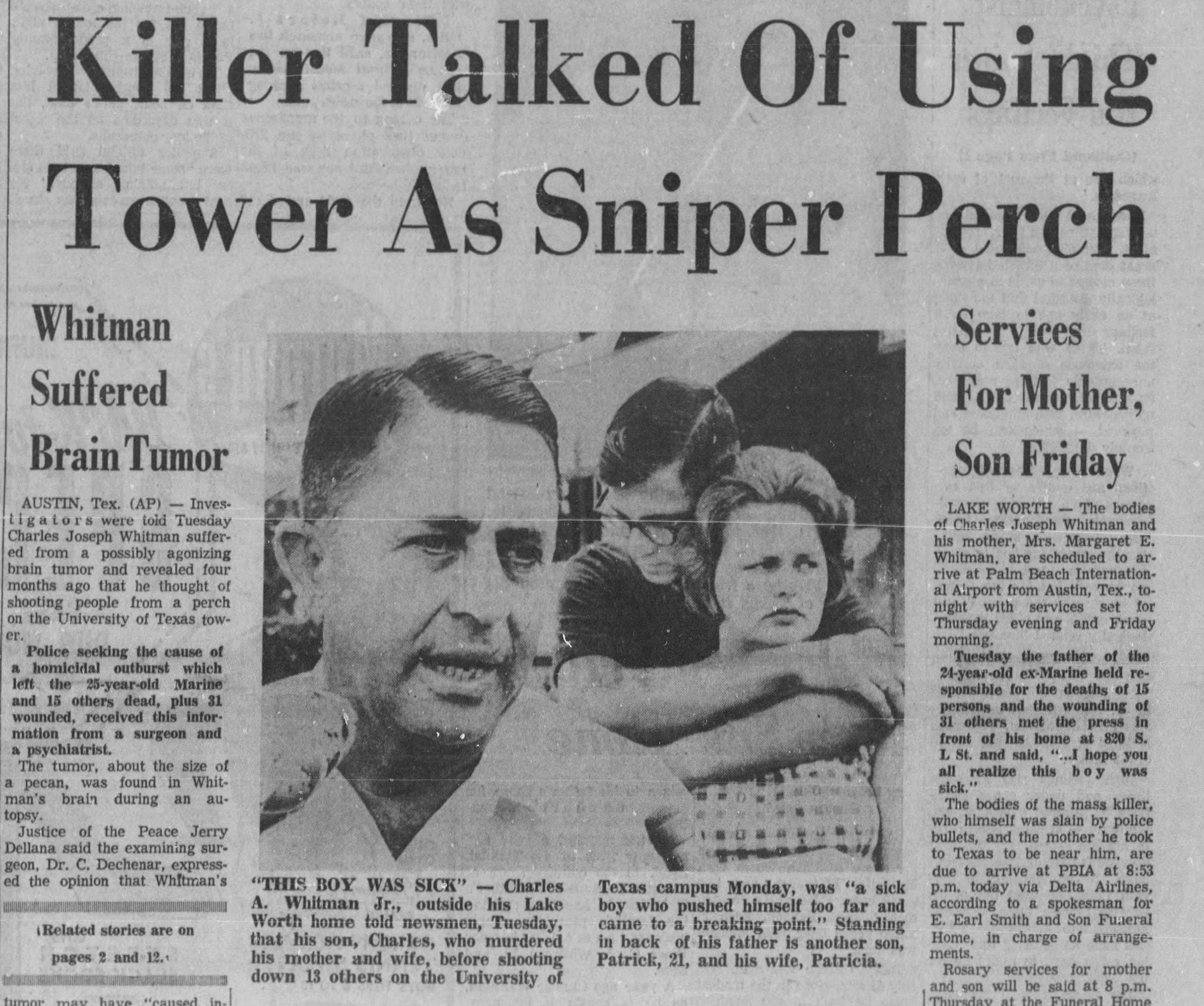
“I am the father of this young man who has committed a crime of great horror to this country. I hope you all realize this boy was sick,’’ he said.
“He pushed himself terribly to make good grades, but he pushed himself too far and came to the breaking point. He loved his mother and wife dearly.’’
The bodies of Whitman and his mother arrived back in Lake Worth the night of Aug. 3, 1966, flown on a Delta Airlines jet to Miami International Airport and driven in a hearse to E. Earl Smith and Son Funeral Home.
Some of Lake Worth’s most successful businessmen carried Margaret’s coffin, and a few noted politicians helped carry Charles’ flag-draped casket.
They were interred at Hillcrest Memorial Cemetery in West Palm Beach.
The Whitman family would endure more tragedy and struggle, detailed by Post reporter Paul Lomartire in the 2006 story Demons and Doom: The Whitmans of Lake Worth.
IF YOU GO
“Tower” — A mostly-animated documentary directed and produced by Keith Maitland about the 1966 shootings at the University of Texas at Austin
Stonzek Studio Theatre at the Lake Worth Beach Playhouse, 713 Lake Ave., Lake Worth Beach
Friday, June 26: 6 p.m.
Saturday, June 27, 3 p.m. and 5 p.m.
Sunday, June 28, 2 p.m. and 4 p.m.
Tickets: $9 at the box office or online.
Charles's brain was checked out. A tumor was discovered. True?